
Last updated: 16 October 2026
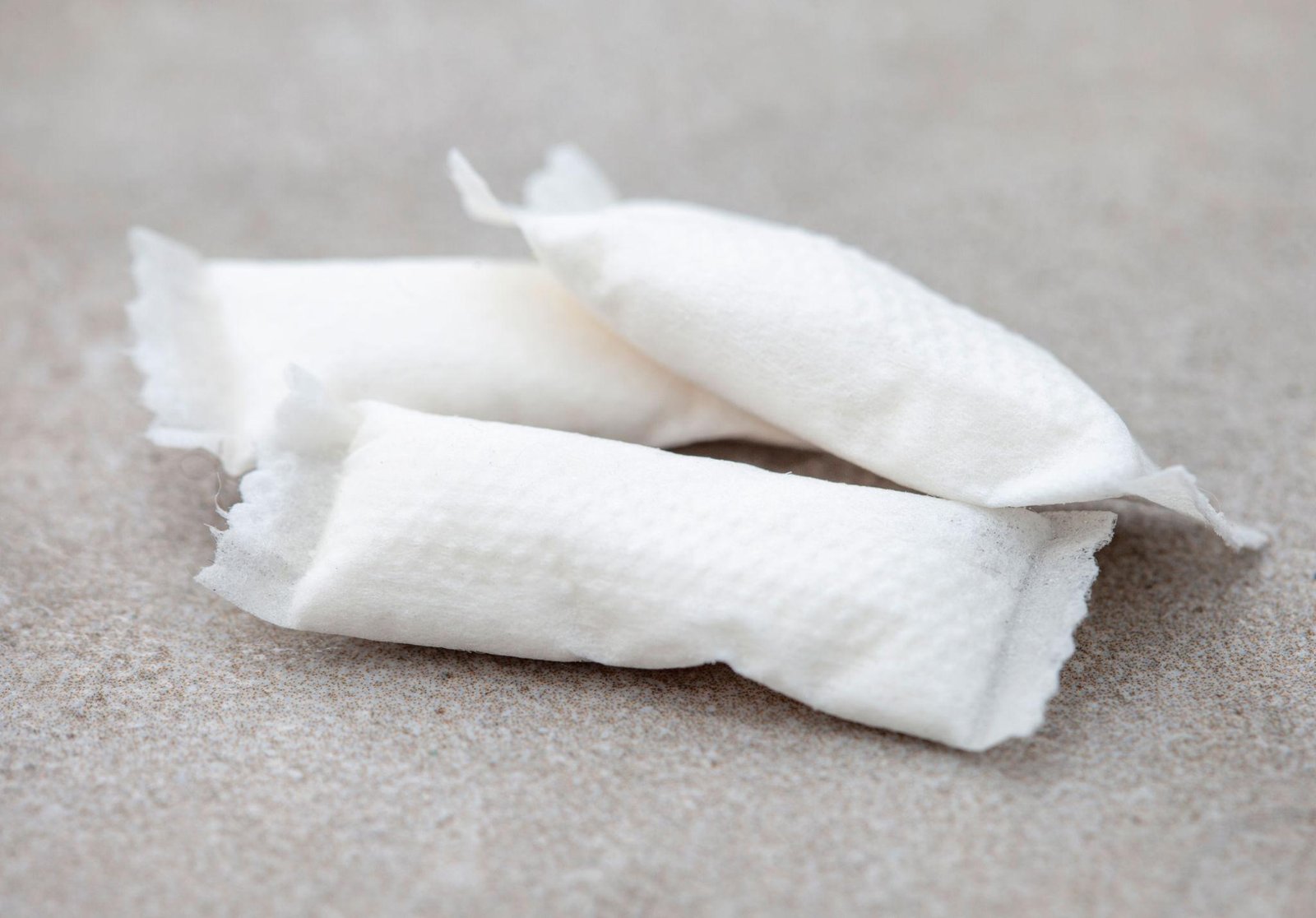
Nicotine pouches have become an increasingly discussed category of oral nicotine products internationally. Unlike traditional snus, modern nicotine pouches generally do not contain tobacco leaf, although they still contain nicotine, an addictive and potentially toxic substance.
Their regulatory status varies considerably between countries, creating uncertainty for consumers, international businesses and travellers.
Australia has adopted particularly strict restrictions on nicotine pouches.
Are nicotine pouches legal in Australia in 2026?
The short answer is that ordinary consumers can no longer lawfully purchase or personally import nicotine pouches in Australia.
New rules effective from 24 July 2026 removed several access pathways that had previously been available, including personal importation with a prescription and specified healthcare practitioner supply arrangements.
Limited legal pathways still exist for products included in the Australian Register of Therapeutic Goods (ARTG), approved clinical trials and other applicable statutory exemptions.
However, these exceptions do not create a general consumer retail market.
This guide explains the Australian rules, the reasons behind the restrictions and what they mean for importers, travellers, retailers and consumers.
What Are Nicotine Pouches?
Nicotine pouches are small oral products containing nicotine and other ingredients enclosed in a permeable pouch.
They are generally positioned between the upper lip and gum, allowing nicotine to be released and absorbed through the oral tissues.
Typical nicotine pouch ingredients may include:
- Nicotine derived from tobacco or manufactured synthetically.
- Cellulose-based fillers.
- Sweeteners.
- Flavouring substances.
- Other formulation ingredients.
Although these products generally contain no tobacco leaf, they are not nicotine-free.
They can also contain substantial amounts of nicotine, which can lead to dependence and harmful exposure.
Nicotine pouches are different from conventional nicotine replacement therapies such as registered nicotine gum and patches.
This distinction has important legal consequences in Australia.
Are Nicotine Pouches Banned in Australia?
For ordinary consumer purchases and personal imports, nicotine pouches are effectively prohibited under Australia’s current regulatory framework.
The Therapeutic Goods Administration (TGA) confirmed that, from 24 July 2026, consumers no longer have a lawful pathway to buy or import nicotine pouches.
The restrictions extend to ordinary retail sales, online sales, personal importation and certain previously available medical access pathways.
However, describing the rules simply as an absolute ban on every possible activity would be inaccurate.
Australian law retains narrow statutory pathways for particular authorised therapeutic or research activities.
These exemptions should not be confused with permission for ordinary commercial distribution.
What Changed on 24 July 2026?
Australia introduced new restrictions on nicotine pouches following regulatory consideration of public health risks and the availability of existing smoking cessation treatments.
The changes removed several pathways that previously allowed access to unapproved therapeutic goods.
1. Personal Importation Is No Longer Permitted
Consumers cannot import nicotine pouches using the Personal Importation Scheme.
This applies even when the individual has a prescription from an Australian medical practitioner.
Previously, some consumers relied on prescription-based arrangements to import nicotine products.
That pathway no longer applies to nicotine pouches.
2. The Traveller’s Exemption No Longer Applies
Travellers cannot bring nicotine pouches into Australia under the former traveller’s exemption.
This applies to products intended for personal use.
The fact that nicotine pouches were lawfully purchased overseas does not make them permissible to bring into Australia.
3. Medical Access Pathways Have Been Removed
Healthcare practitioners can no longer supply unapproved nicotine pouches through the relevant Special Access Scheme or Authorised Prescriber Scheme pathways.
These schemes remain important for some other unapproved therapeutic goods, but they are no longer available for nicotine pouches in the previous manner.
4. Pharmacist Compounding Is Not an Available Alternative
Pharmacists cannot rely on the previous compounding exemption to prepare and supply nicotine pouches.
This restriction further distinguishes nicotine pouches from registered nicotine replacement medicines.
5. Ordinary Retail Sales Remain Unlawful
Australian retailers, including online retailers, cannot lawfully sell nicotine pouches through ordinary consumer retail channels.
A physical store or an Australian-facing ecommerce website does not create an exemption from the law.
Can You Buy Nicotine Pouches Online in Australia?
Ordinary online retail sales of nicotine pouches are unlawful in Australia.
The TGA explicitly identifies online retailers within its restrictions on nicotine pouch sales.
The same issue applies to overseas websites offering delivery to Australian consumers.
Purchasing from an international seller does not eliminate Australian import restrictions.
Consumers cannot use the ordinary Personal Importation Scheme to bring nicotine pouches into Australia, including with a medical prescription.
Accordingly, the existence of an online listing does not establish that purchasing or importing the product is lawful.
Consumers should be cautious about websites presenting nicotine pouches as freely available in Australia.
Can You Import Nicotine Pouches into Australia?
Importing nicotine pouches into Australia is subject to strict federal controls.
According to the Australian Border Force, from 24 July 2026, nicotine pouches cannot lawfully be imported unless they meet an applicable legal pathway.
These include:
- Inclusion in the Australian Register of Therapeutic Goods.
- An applicable statutory exemption under the Therapeutic Goods Act 1989.
The TGA also identifies qualifying clinical trials as a potential route for lawful research-related activities.
These limited pathways are not a general import permission for consumers, distributors or online retailers.
What Happens to Unlawfully Imported Nicotine Pouches?
Nicotine pouches imported without the necessary legal authority may be seized and destroyed by the Australian Border Force.
Depending on the circumstances, unlawful importation or supply may also involve further compliance or enforcement consequences.
Businesses should therefore assess the exact legal status of any proposed import before committing to a shipment.
Can Tourists Bring Nicotine Pouches into Australia?
No. The former traveller’s exemption is no longer available for nicotine pouches.
Travellers should not assume that small quantities are allowed merely because the products are intended for personal use.
Australian import rules differ between product categories.
A medicine that qualifies for a traveller’s exemption does not establish that nicotine pouches receive the same treatment.
The Australian Border Force expressly states that travellers cannot bring nicotine pouches into Australia under the current arrangements.
Travellers should consult the official border guidance before departure.
Can Doctors Prescribe Nicotine Pouches in Australia?
Under the 2026 regulatory changes, doctors cannot prescribe unapproved nicotine pouches through the former Special Access Scheme or Authorised Prescriber Scheme pathways.
The changes also prevent access through the previous Personal Importation Scheme and pharmacist compounding exemption.
This does not mean every possible future therapeutic application is permanently excluded.
A sponsor may apply for a product to be included in the Australian Register of Therapeutic Goods, subject to the relevant evaluation and authorisation requirements.
However, an application opportunity is not the same as an approved product or a current consumer access pathway.
Are Any Nicotine Pouches Exempt from the Restrictions?
Limited statutory exceptions remain possible.
Australian Register of Therapeutic Goods
A product appropriately included in the ARTG may qualify for lawful supply according to its registration and applicable conditions.
Inclusion requires compliance with the relevant therapeutic goods framework.
Clinical Research
Research involving unapproved therapeutic goods may proceed under applicable Clinical Trial Notification or Clinical Trial Approval arrangements.
These are regulated research mechanisms rather than ordinary retail distribution systems.
Other Statutory Exemptions
Other exemptions may exist under the Therapeutic Goods Act 1989.
However, their scope must be determined by the specific legal provisions and circumstances.
International businesses should not assume that an exemption applicable to a research institution or therapeutic sponsor also permits routine commercial imports.
Why Has Australia Restricted Nicotine Pouches?
The Australian Government has identified several public health concerns associated with nicotine pouches.
Nicotine Addiction
Nicotine is highly addictive.
Some oral nicotine products contain high nicotine quantities, raising concerns about dependence and unintended exposure.
Risks to Young People
Authorities have expressed particular concern about emerging nicotine products and their potential appeal to children and adolescents.
Nicotine exposure during adolescence can adversely affect developing brains.
Inaccurate Product Labelling
The TGA has raised concerns that some nicotine pouch labels may not accurately reflect product composition or nicotine content.
This makes reliable product characterisation important.
Chemical Contaminants
Some nicotine pouches may contain undeclared ingredients or chemical contaminants.
The absence of tobacco leaf does not guarantee the absence of other potentially harmful substances.
Accidental Exposure
Products that contain concentrated nicotine can present poisoning risks, particularly to young children.
These considerations form part of the public health rationale for Australia’s stricter regulatory approach.
Nicotine Pouches vs. Nicotine Replacement Therapy in Australia
One important distinction is between unapproved nicotine pouches and established nicotine replacement therapies.
Registered nicotine replacement therapy products may include nicotine patches, chewing gum, lozenges and other approved formulations.
These products operate under Australia’s therapeutic goods framework and remain available through their authorised supply arrangements.
| Product | General Position in Australia |
|---|---|
| Unapproved nicotine pouches | No ordinary consumer purchase or import pathway |
| Registered nicotine gum | Legally available through authorised medicine supply |
| Registered nicotine patches | Legally available through authorised medicine supply |
| Registered nicotine lozenges | Legally available through authorised medicine supply |
| Therapeutic nicotine vapes | Subject to separate restricted pharmacy-based pathways |
The July 2026 nicotine pouch changes do not remove access to registered nicotine replacement therapies.
People seeking support for nicotine dependence or smoking cessation can discuss evidence-based treatment options with healthcare professionals.
Are Synthetic Nicotine Pouches Legal in Australia?
A nicotine pouch does not become exempt from regulation merely because its nicotine was manufactured synthetically.
Synthetic nicotine and tobacco-derived nicotine can contain the same nicotine molecule.
Their chemical origins may differ, but the Australian legal restrictions on nicotine pouches are not automatically removed by changing the nicotine source.
Likewise, terms such as “tobacco-free”, “white pouch” or “synthetic nicotine” should not be interpreted as evidence of unrestricted legal status.
The relevant product classification and applicable therapeutic goods requirements remain essential.
What Do the Regulations Mean for International Manufacturers?
For overseas manufacturers, Australia’s regulatory approach creates significant market-access constraints.
The ability to manufacture nicotine pouches legally in another country does not establish permission to export them to Australia for consumer sale.
Several regulatory distinctions are particularly important.
Product Classification
Businesses must determine how the intended product is classified under Australian law.
Its formulation, intended purpose, presentation and regulatory status can all be relevant.
Therapeutic Goods Requirements
Where the product is treated as a therapeutic good, the relevant regulatory requirements must be evaluated before importation or supply.
A foreign manufacturing licence or overseas product registration does not replace Australian authorisation.
Advertising Restrictions
The TGA states that advertising nicotine pouches is unlawful under the applicable restrictions.
Businesses should not assume that international ecommerce marketing practices can be used in the Australian market.
Documentation and Traceability
Product specifications, ingredient information and quality records can support regulatory evaluation.
However, technical documents such as Certificates of Analysis do not constitute import permits or marketing authorisations.
Regulatory Updates
Australian nicotine regulations have changed substantially since 2024.
Businesses should review current TGA and Australian Border Force guidance rather than relying on older commercial information.
What Is the Difference Between a Product Ban and a Restricted Regulatory Pathway?
The terminology used to describe nicotine pouch laws can sometimes create confusion.
An outright prohibition would eliminate all lawful pathways for an activity.
Australia’s current framework is more specific.
For ordinary consumers, retailers and personal imports, there is no general lawful access pathway.
However, particular authorised therapeutic or research activities may still be possible under the legislation.
Therefore, saying that nicotine pouches are “freely legal” is incorrect.
Equally, claiming that no nicotine pouch could ever be imported for any legally authorised purpose would overlook the remaining statutory pathways.
Accurate explanations should distinguish everyday consumer access from narrowly controlled legal exceptions.
Frequently Asked Questions
1. Are nicotine pouches legal in Australia in 2026?
Ordinary consumers cannot lawfully purchase or personally import nicotine pouches under the rules effective from 24 July 2026. Limited ARTG-related, research and other statutory exemption pathways may still exist.
2. Can you buy nicotine pouches in Australian shops?
No. Ordinary retailers are not permitted to sell nicotine pouches, including through online stores.
3. Can Australians order nicotine pouches from overseas?
No. Consumers cannot use the Personal Importation Scheme to bring nicotine pouches into Australia, even with a medical prescription.
4. Can you travel to Australia with nicotine pouches?
No. The previous traveller’s exemption no longer applies to nicotine pouches.
5. Can a doctor prescribe nicotine pouches?
Doctors cannot prescribe unapproved nicotine pouches through the former Special Access Scheme or Authorised Prescriber Scheme pathways.
6. Are synthetic nicotine pouches exempt from Australia’s restrictions?
No. The synthetic origin of nicotine does not automatically exempt an oral nicotine pouch from Australian regulation.
7. Can nicotine pouches be imported for clinical research?
Certain research activities may qualify under Australia’s applicable clinical trial or statutory exemption pathways. These are not general retail import permissions.
8. Are nicotine gum and nicotine pouches regulated the same way?
No. Registered nicotine replacement medicines, including nicotine gum, have established lawful therapeutic supply pathways. Unapproved nicotine pouches face separate restrictions.
9. What happens if nicotine pouches are imported illegally?
Products may be seized and destroyed by the Australian Border Force. Further enforcement consequences may apply depending on the circumstances.
10. Where can I check Australia’s official nicotine pouch regulations?
The Therapeutic Goods Administration and Australian Border Force publish authoritative guidance on nicotine pouch access, import controls and the applicable regulatory framework.
Conclusion
Australia introduced major changes to nicotine pouch regulations on 24 July 2026.
The changes removed ordinary consumer access through personal importation, travellers’ exemptions and several previously available healthcare practitioner pathways.
Retail sales, including online sales, remain unlawful.
Although limited statutory exceptions exist for appropriately authorised therapeutic products and qualifying research activities, these do not establish a general commercial market.
For international manufacturers, researchers and businesses, the key consideration is whether a specific activity is permitted under Australia’s therapeutic goods legislation.
For consumers, established nicotine replacement therapies remain available through lawful channels.
As Australia’s nicotine regulations continue to develop, official TGA and Australian Border Force guidance should remain the primary reference for reliable legal and regulatory information.
Further Reading
Explore our related educational articles on nicotine products in Australia, therapeutic vaping regulations, nicotine replacement therapy, nicotine pouch chemistry and international nicotine import controls.
Disclaimer: This article is intended for general educational and regulatory research purposes. It does not constitute legal or medical advice. Nicotine is addictive and can cause serious health effects. Always verify current requirements with the relevant Australian authorities.