
Updated: October 2026
Introduction
The Australia shisha market occupies a distinctive position within the country’s tobacco industry. Shisha, also known as hookah, waterpipe tobacco, or molasses tobacco, has cultural connections to Middle Eastern, North African, and South Asian communities.
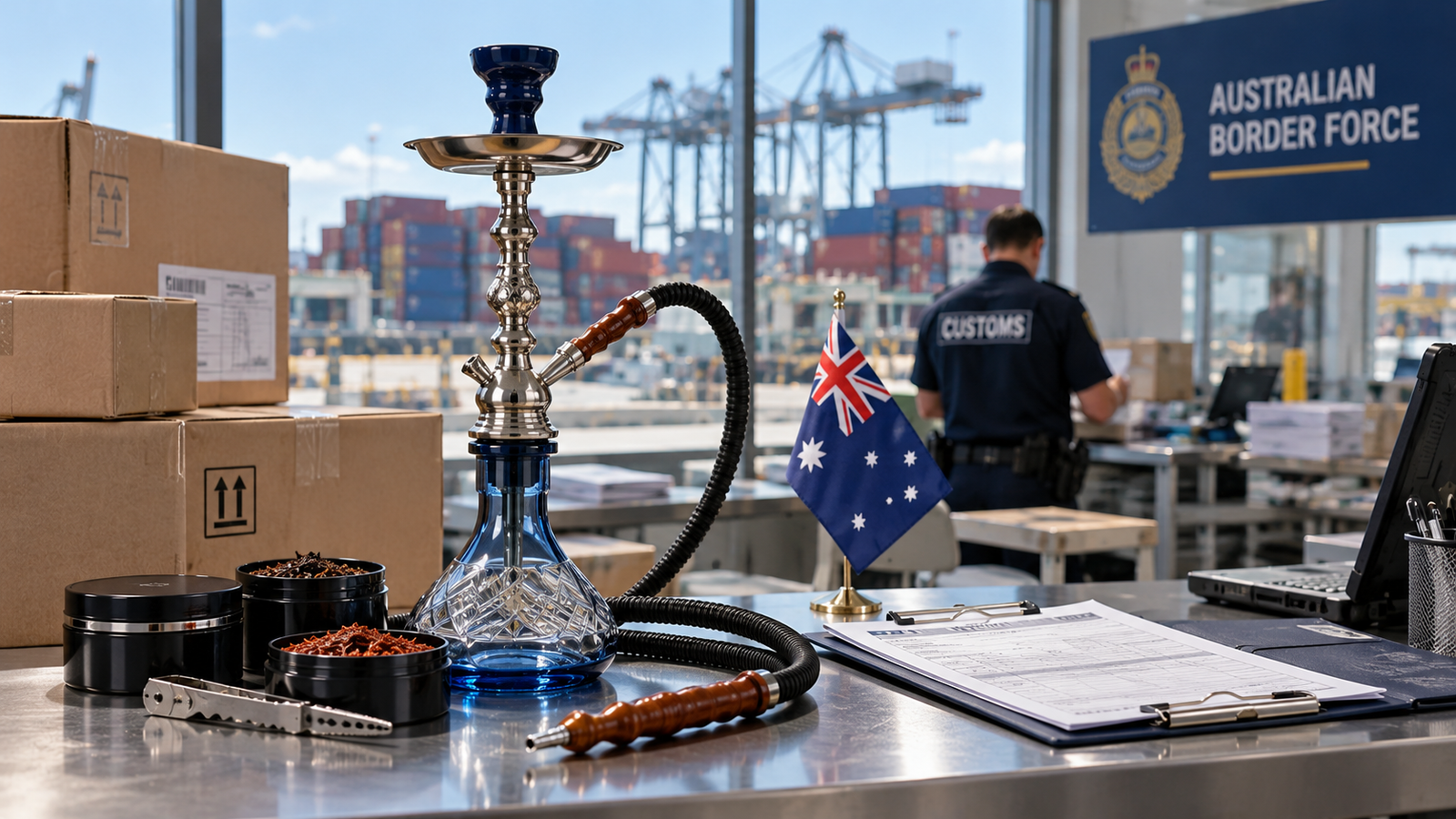
However, Australia’s regulatory approach to shisha tobacco is strict, particularly regarding imports, customs duties, product packaging, advertising, and smoking in public places.
For international manufacturers, importers, wholesalers, and industry researchers, understanding Australia’s legal framework is essential.
Unlike electronic cigarettes, traditional shisha products are generally regulated under tobacco legislation when they contain tobacco.
This article examines the Australian shisha industry’s regulatory environment in 2026, including legal importation, retail distribution, taxation, packaging requirements, and the restrictions affecting waterpipe establishments.
1. Understanding Shisha and Hookah Tobacco in Australia
What Is Shisha?
Shisha is a form of tobacco traditionally used with a waterpipe or hookah.
A typical tobacco-containing shisha mixture includes processed tobacco, molasses or similar humectants, glycerol, and flavouring ingredients.
During use, heat is applied to the mixture, and the resulting smoke travels through the waterpipe before being inhaled.
Water does not remove the harmful chemicals from the smoke.
Shisha, Hookah and Waterpipe: What’s the Difference?
Although these terms are frequently used interchangeably, they have slightly different meanings.
- Shisha: Often refers to the tobacco mixture, but can also describe the overall smoking practice.
- Hookah: Commonly describes the waterpipe device.
- Waterpipe: A general technical term for the smoking apparatus.
- Molasses tobacco: A commercial and regulatory description for certain tobacco mixtures containing molasses.
In Australian customs documentation, shisha and molasses tobacco are specifically identified as controlled tobacco imports.
2. Is Shisha Legal in Australia in 2026?
Traditional tobacco-containing shisha is not subject to a blanket nationwide prohibition.
However, its importation, distribution, retail sale, packaging, and use must comply with applicable federal, state, and territory laws.
Federal Tobacco Regulation
The Public Health (Tobacco and Other Products) Act 2023 and associated regulations establish important requirements for tobacco products.
These include controls relating to packaging, advertising, product standards, and health warnings.
The legislation expressly recognizes shisha tobacco as a type of tobacco product.
State and Territory Requirements
Businesses must also consider local tobacco retail laws.
Requirements can differ between New South Wales, Victoria, Queensland, Western Australia, and other jurisdictions.
For example, licensing obligations, retail display restrictions, and smoking rules may not be identical across all jurisdictions.
A business operating lawfully in one state should not assume that the same activities can be conducted without additional approvals elsewhere.
3. Importing Shisha Tobacco into Australia
Australian Border Force Requirements
The Australian Border Force (ABF) identifies shisha and molasses tobacco among tobacco products requiring import permission.
Commercial importers must obtain the appropriate permit before the goods arrive in Australia.
The permit requirements are separate from ordinary shipping arrangements.
Import Permit Conditions
According to the ABF, relevant conditions include:
- Applicants must be at least 18 years old.
- A valid permit must be obtained before importation.
- Applicable tobacco products must be imported through permitted air or sea cargo channels.
- Importation by international mail is generally not allowed for these products.
- Goods intended for Australian sale must satisfy applicable packaging requirements.
- Import permits are not transferable.
Additional conditions may apply to individual permits.
Are Commercial Samples Exempt?
Businesses should not assume that small shipments or product samples are automatically exempt.
The legal classification, method of importation, and intended purpose must be reviewed before dispatch.
4. Shisha Tobacco Customs Duties and Taxation
Tax treatment is a major consideration for businesses researching Australian shisha imports.
How Is Molasses Tobacco Taxed?
The ABF clarifies that the tobacco content of molasses tobacco includes moisture and other material added during manufacturing or processing.
Consequently, the amount of customs duty payable on molasses tobacco is calculated using the total weight of the product rather than only the weight of the tobacco leaf.
This is especially important because traditional shisha mixtures can contain substantial quantities of molasses, glycerol, and moisture.
Understanding Landed Costs
Importers may need to account for:
- The applicable tobacco customs duty.
- Freight and transport expenses.
- Customs brokerage and clearance costs.
- Applicable taxes.
- Regulatory and product compliance expenses.
- Storage and domestic logistics.
Duty rates can change, so businesses should calculate costs using the current official Australian tariff rather than outdated online estimates.
For manufacturers and industry analysts, the distinction between tobacco leaf weight and finished shisha mixture weight is particularly significant.
5. Shisha Retail and Wholesale Regulations
Tobacco Retail Rules
Tobacco-containing shisha products are subject to Australia’s tobacco retail framework.
Retailers must comply with relevant state or territory laws governing tobacco sales.
These may include licensing, minimum age requirements, product display restrictions, and recordkeeping obligations.
Wholesale Distribution
Wholesale businesses must ensure that their products comply with Australian packaging and product requirements.
Commercial documentation should accurately identify the goods being supplied and support lawful distribution.
Businesses should not assume that products legally marketed in another country may be distributed in Australia using the same packaging.
Restrictions on Advertising
Australia imposes broad restrictions on tobacco advertising and promotion.
These restrictions extend beyond conventional media and may affect digital communications, online product presentations, and promotional websites.
The availability of limited statutory exceptions should not be interpreted as permission for unrestricted tobacco marketing.
6. Australian Shisha Packaging Requirements
Australia requires standardized packaging for tobacco products, including shisha tobacco.
Plain Packaging
The federal framework includes strict requirements on retail packaging appearance.
Tobacco packaging must generally follow the prescribed standardized colour and limitations on brand presentation.
Promotional images, decorative branding, and certain marketing text are restricted.
Health Warnings
Shisha tobacco packaging must include the applicable health warnings.
The requirements vary according to the product and packaging format.
Special Treatment of Shisha Package Quantities
Australian legislation contains a specific exception for shisha tobacco concerning the standardization of the number of units, mass, or volume in retail packaging.
This does not exempt shisha tobacco from the broader requirements concerning standardized packaging and health warnings.
Importers should check the detailed rules applicable to their specific product packaging format.
7. Shisha Lounges and Hookah Cafés in Australia
Shisha lounges and hookah cafés are another subject of interest within the Australian market.
However, their operations are affected by smoking restrictions, planning requirements, and local business rules.
Indoor Smoking Restrictions
Smoke-free laws restrict smoking in enclosed public places.
Shisha smoking is not automatically exempt merely because it uses a waterpipe rather than a cigarette.
Outdoor Dining Restrictions
Rules also affect outdoor hospitality venues.
In New South Wales, smoking shisha is prohibited in commercial outdoor dining areas.
The restriction applies to waterpipe smoking as well as cigarettes and other smoking products.
Victoria also prohibits shisha tobacco smoking in outdoor dining areas covered by its smoke-free laws.
Can a Shisha Lounge Operate Legally?
The answer depends on the location, premises, business model, and applicable laws.
Operators must consider local planning approvals, tobacco retail obligations where relevant, and smoke-free requirements.
A venue being outdoors does not automatically make shisha smoking lawful.
8. Health Considerations Associated With Waterpipe Smoking
Shisha is sometimes incorrectly perceived as a safer alternative to cigarettes.
However, the Australian Department of Health warns that shisha smoking exposes users to nicotine and numerous toxic chemicals.
Important Health Risks
The risks associated with shisha smoke include:
- Nicotine addiction.
- Carbon monoxide exposure.
- Respiratory disease.
- Cardiovascular disease.
- Increased cancer risk.
- Exposure to second-hand smoke.
The water in a hookah does not eliminate these health risks.
Flavouring ingredients can change the taste of shisha smoke but do not make smoking safe.
These health considerations form part of the rationale for Australia’s tobacco control policies.
9. Australia Shisha Industry: Key Regulatory Considerations
Businesses conducting market research should evaluate the following areas.
| Category | Key Consideration |
|---|---|
| Shisha tobacco importation | ABF permit requirements |
| International shipping | Air or sea cargo restrictions |
| Customs duty | Calculated on total molasses tobacco product weight |
| Retail sales | State and territory tobacco laws |
| Wholesale distribution | Product and supply-chain compliance |
| Packaging | Standardized packaging and health warnings |
| Advertising | Broad tobacco advertising restrictions |
| Shisha lounges | Smoke-free and local venue requirements |
| Product documentation | Import, manufacturing, and compliance records |
10. What Makes the Australian Shisha Market Different?
Australia differs from many international shisha markets in several important respects.
First, it applies strict federal controls to the importation of shisha tobacco.
Second, the calculation of customs duties on the full weight of molasses tobacco is relevant to the assessment of commercial import costs.
Third, Australian plain-packaging and advertising regulations limit conventional tobacco marketing practices.
Finally, smoke-free laws restrict waterpipe use in hospitality environments.
These factors make regulatory assessment an essential part of understanding the Australian shisha industry.
Frequently Asked Questions
Is shisha legal in Australia?
Traditional shisha tobacco is not subject to a blanket nationwide prohibition, but its importation, sale, packaging, and use must comply with applicable Australian laws.
Can you import shisha tobacco into Australia?
Yes, subject to the required Australian Border Force import permission and applicable conditions. An import permit must generally be granted before the goods arrive.
Does Australia tax shisha tobacco?
Yes. Customs duty may apply to imported shisha tobacco. For molasses tobacco, the ABF calculates duty using the total weight of the finished product, including added moisture and other relevant ingredients.
Are hookah lounges legal in Australia?
Their legality depends on the premises, location, and operating arrangements. Smoke-free rules may prohibit waterpipe smoking in indoor public places and specified outdoor areas.
Can shisha be smoked in Australian restaurants?
Smoking restrictions apply to restaurants and commercial dining environments. For example, New South Wales prohibits waterpipe smoking in commercial outdoor dining areas.
Does shisha tobacco require plain packaging?
Yes. Tobacco-containing shisha products are subject to relevant Australian standardized packaging and health-warning rules.
Is shisha safer than cigarettes?
No. Australian public health authorities warn that shisha smoke contains toxic substances and that water filtration does not remove the associated health risks.
Can international manufacturers supply shisha tobacco to Australia?
Commercial supply may be possible through lawful arrangements that meet import, customs, packaging, tobacco product, and distribution requirements. Overseas authorization alone is insufficient.
Conclusion
The Australian shisha market in 2026 operates within a highly regulated tobacco environment.
Traditional hookah tobacco is recognized under Australia’s tobacco legislation, but commercial activities are affected by import permits, customs duties, product standards, plain packaging, advertising restrictions, and state-level smoking laws.
For international manufacturers, importers, wholesalers, and market researchers, understanding these requirements is essential when assessing the sector.
Businesses should verify current Australian Border Force requirements, federal tobacco regulations, and the relevant state or territory laws before undertaking commercial activities.
Disclaimer: This article provides general industry and regulatory information only. It does not constitute legal, tax, medical, or customs advice.