
Last updated: 19 October 2026
Shisha tobacco, also known as hookah tobacco, waterpipe tobacco or maassel, is a tobacco product traditionally associated with waterpipe smoking.
Unlike the relatively dry tobacco found in conventional cigarettes, modern shisha tobacco is often characterised by its moist consistency and the presence of additional ingredients such as sweeteners, humectants and flavouring substances.
Although the finished product may appear relatively simple, commercial manufacturing involves tobacco processing, ingredient management, industrial equipment, quality testing and packaging controls.
How is shisha tobacco made, and what processes are involved in industrial production?
This guide explains the general manufacturing principles behind shisha tobacco, from raw tobacco selection to finished-product testing. It also explores the chemical characteristics of common ingredients, differences between commercial tobacco types and important regulatory considerations.
What Is Shisha Tobacco Made From?
Shisha tobacco is a tobacco-containing preparation designed for use in a waterpipe.
According to the U.S. Food and Drug Administration (FDA), hookah tobacco typically contains tobacco, sweeteners and flavouring ingredients.
Modern commercial preparations may also contain glycerol and other substances that influence their physical characteristics.
The exact ingredient composition varies by manufacturer.
Common ingredient categories include:
| Ingredient | General Function |
|---|---|
| Tobacco leaf | Main tobacco material and natural nicotine source |
| Molasses or other sweeteners | Contribute to the moist tobacco preparation |
| Glycerol | Acts as a humectant |
| Flavouring substances | Contribute to sensory characteristics |
| Water | Influences moisture and physical properties |
| Other additives | Perform formulation-specific functions |
These ingredients do not make the product safe.
Research has demonstrated that waterpipe tobacco and its heating process can generate hazardous chemicals, including carbon monoxide, aldehydes and other toxic substances.
Understanding Maassel Tobacco
Maassel, sometimes spelled mu’assel or moassel, refers to a moist tobacco preparation widely associated with modern waterpipe products.
The term has historical connections to sweetened tobacco mixtures.
The World Health Organization (WHO) describes maassel as a preparation traditionally manufactured using tobacco combined with molasses, glycerine and flavouring materials.
Historically, some preparations involved fermentation or maturation.
However, commercial manufacturers may use different processing technologies, and there is no single universal production sequence.
The defining characteristic of modern maassel is its combination of tobacco with other ingredients that produce a moist, pliable material.
Maassel is distinct from some traditional waterpipe tobacco preparations that use relatively dry tobacco with fewer added ingredients.
Stage 1: Tobacco Leaf Selection and Raw Material Inspection
The first general stage of shisha tobacco manufacturing concerns the selection and qualification of tobacco materials.
Tobacco belongs to the Nicotiana genus, and different commercial tobacco varieties can have different physical and chemical characteristics.
Manufacturers may evaluate factors such as:
- Tobacco identity and variety.
- Leaf condition.
- Moisture characteristics.
- Consistency between raw-material lots.
- Chemical composition.
- Potential contaminants.
- Supplier documentation.
Virginia Tobacco
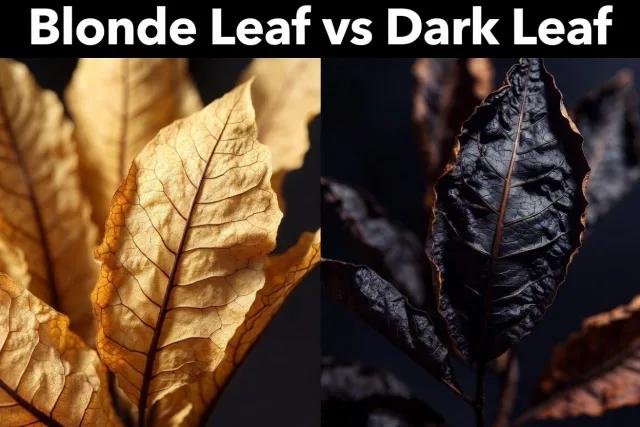
Virginia-type tobacco is frequently associated with lighter-coloured commercial shisha products.
It is commonly described as flue-cured tobacco in broader tobacco agriculture.
However, the term Virginia shisha does not establish a universal manufacturing process or nicotine concentration.
Dark-Leaf Tobacco
Dark-leaf shisha commonly refers to preparations using darker processed tobacco materials.
The tobacco varieties and curing methods involved can differ among manufacturers.
Dark colour alone does not establish that a material contains more nicotine.
Laboratory analysis is needed to make reliable chemical comparisons.
Why Raw Material Quality Matters
Variability in agricultural materials can influence the characteristics of a finished tobacco product.
A documented raw-material qualification programme helps manufacturers identify material differences and investigate quality issues.
However, selecting visually consistent leaves does not eliminate tobacco’s inherent health hazards.
Stage 2: Tobacco Processing and Material Preparation
After raw materials have been selected, the tobacco is prepared for the intended commercial product.
The preparation process varies according to the raw tobacco characteristics and manufacturing technology.
At a conceptual level, this stage can involve evaluating the tobacco’s physical condition, structure, and suitability for further processing.
Relevant characteristics may include particle size, leaf condition, moisture and uniformity.
Why Does Tobacco Preparation Matter?
Tobacco leaf is a natural agricultural material.
Individual leaves can differ in thickness, structure and chemical composition.
Industrial processing aims to manage this variability according to the manufacturer’s product specifications.
However, different preparation methods can also influence the tobacco’s chemical properties.
A product’s nicotine content and impurity profile should therefore be determined through appropriate analysis rather than assumptions about the processing method.
Stage 3: Development of the Moist Tobacco Mixture
One of the main characteristics distinguishing modern maassel from many other tobacco preparations is the incorporation of ingredients that create a moist mixture.
Commercial manufacturers may use sweeteners, humectants and flavouring substances alongside processed tobacco.
The specific composition varies between products.
Molasses and Sweetening Ingredients
Molasses and other sweetening substances are associated with the traditional character of maassel.
They contribute to the physical properties of the mixture.
However, sweetening ingredients can also influence the chemistry of emissions produced during heating.
The use of familiar food ingredients should not be interpreted as proof of inhalation safety.
Glycerol in Shisha Tobacco
Glycerol, also called glycerine, is a common humectant.
A humectant is a substance that helps retain moisture.
Glycerol is also important to researchers studying the chemical composition of waterpipe tobacco and its emissions.
A 2023 experimental study, titled Effect of Glycerol Concentration on Levels of Toxicant Emissions from Water-Pipe Tobacco Smoking, examined how variation in glycerol content affected selected toxicant emissions.
The research demonstrates that the relationship between ingredient composition and chemical exposure is scientifically important.
Flavouring Ingredients
Commercial shisha tobacco can contain a wide range of flavouring substances.
The chemical composition of these substances varies by product.
A flavour description, such as mint or fruit, does not provide sufficient information to determine the full chemical identity of the ingredients.
Additionally, ingredients considered acceptable for food consumption are not automatically safe when heated and inhaled.
Stage 4: Mixing Uniformity and Batch Consistency
Industrial quality management places significant importance on consistency between manufacturing batches.
A commercial shisha tobacco mixture contains components with different physical characteristics.
Tobacco is a plant-based material, while other ingredients may be liquids or processed chemical substances.
Manufacturers must evaluate whether the finished product corresponds to its documented specifications.
What Is Batch Consistency?
Batch consistency describes how closely different production lots conform to their specified characteristics.
Relevant measurements may include:
- Nicotine content.
- Moisture content.
- Ingredient identity.
- Selected chemical impurities.
- Physical appearance.
- Net product mass.
- Packaging condition.
A finished product may have a consistent appearance while still showing measurable chemical differences.
Consequently, visual inspection alone is not a substitute for appropriate laboratory testing.
Is There One Standard Manufacturing Formula?
No.
Scientific publications describe different maassel compositions, and commercial formulations vary between manufacturers.
There is no universally applicable ingredient ratio or processing method that characterises every shisha tobacco product.
A scientifically accurate manufacturing description should therefore distinguish general industrial principles from proprietary production practices.
Stage 5: Material Stability and Quality Assessment
The chemical and physical properties of tobacco products may change over time.
For moist tobacco preparations, relevant quality considerations can include moisture behaviour, ingredient compatibility and chemical stability.
Manufacturers may evaluate these characteristics during product development and quality assessment.
Moisture Stability
Moisture is an important characteristic of maassel.
A change in water content can alter the physical condition of the material.
Different products may require different analytical approaches to measure their moisture-related characteristics.
Chemical Stability
Tobacco and other organic ingredients can undergo chemical changes during storage.
The significance of these changes depends on the composition of the particular product.
Stability investigations may help determine whether relevant quality attributes change over the assessed storage period.
Microbiological Considerations
Tobacco is derived from agricultural material, and moisture-containing products warrant consideration of microbiological quality.
The relevant testing programme should reflect the raw materials, manufacturing conditions and intended regulatory requirements.
Testing for selected microorganisms may be appropriate where justified by the product’s characteristics and risk assessment.
It is important to distinguish microbial contamination of a tobacco product from contamination of a shared waterpipe device, which is a separate public health concern.
Stage 6: Packaging and Product Identification
Packaging is a significant part of commercial tobacco manufacturing.
Its functions extend beyond appearance.
Packaging can support material containment, product identification, traceability and compliance with relevant regulations.
Packaging Integrity
Manufacturers may evaluate whether their packaging protects the product under the intended storage and distribution conditions.
Relevant considerations can include seal integrity, package compatibility and consistency.
Batch Identification
Lot or batch information can help connect finished packages to manufacturing and analytical records.
This is important when investigating product quality concerns.
Regulatory Labelling
Many countries require tobacco products to display prescribed health warnings and other information.
Packaging restrictions can also affect colours, branding, promotional statements and product presentation.
Regulatory requirements differ substantially between destination markets.
For example, a package that satisfies the requirements of one country may not be suitable for lawful retail supply in another.
Stage 7: Finished-Product Quality Control
Finished-product testing helps characterise tobacco products and assess conformity with defined quality specifications.
However, passing an internal quality test does not establish that smoking a product is safe.
Quality control and health risk assessment are related but separate activities.
Nicotine Testing
Nicotine is naturally present in tobacco.
Laboratories may use validated chromatographic methods to measure nicotine concentration.
The result can support product characterisation and regulatory reporting.
Nicotine content should not be inferred solely from tobacco colour, leaf category or marketing descriptions.
Moisture and Humectant Analysis
Moisture-related measurements can provide information about the physical composition of shisha tobacco.
Appropriate chemical analytical methods can also assess glycerol and other relevant constituents.
Tobacco-Specific Nitrosamines
Tobacco-specific nitrosamines, or TSNAs, are toxicologically important compounds associated with tobacco.
Their measurement may be relevant to product characterisation and regulatory research.
Metals and Other Contaminants
Certain metals and other contaminants may also be relevant to chemical assessments.
Testing requirements should reflect the product’s raw materials, manufacturing history and applicable legal obligations.
Smoke Emissions Testing
An important distinction is the difference between testing the unheated tobacco mixture and studying the emissions generated during smoking.
Testing the original material does not provide a complete description of smoke exposure.
Waterpipe emissions can contain compounds formed during heating, together with emissions from charcoal or other heat sources.
Researchers may therefore assess nicotine, carbon monoxide, aldehydes, particulate matter and other relevant substances in generated smoke.
Common Analytical Methods for Shisha Tobacco
Several laboratory methods can contribute to product characterisation.
| Analytical Method | Potential Application |
|---|---|
| HPLC | Nicotine and selected chemical constituents |
| GC-MS | Suitable volatile compounds and selected contaminants |
| LC-MS/MS | Targeted chemical impurity analysis |
| Moisture analysis | Water-content assessment |
| pH measurement | Chemical characterisation |
| Physical testing | Product mass and packaging integrity |
| Emissions analysis | Selected chemicals generated during heating |
The selection of methods should be based on the intended measurement and appropriate laboratory validation.
No single analytical technique can establish every aspect of a tobacco product’s composition or health risk.
Shisha Tobacco Manufacturing vs. Cigarette Manufacturing
Shisha tobacco and conventional cigarette tobacco are both tobacco products, but their finished forms and manufacturing considerations differ.
| Feature | Shisha Tobacco | Cigarette Tobacco |
|---|---|---|
| Main agricultural material | Tobacco leaf | Tobacco leaf |
| Typical finished consistency | Often moist | Relatively dry |
| Common additional ingredients | Sweeteners, humectants, flavourings | Product-dependent additives |
| Finished-product format | Moist tobacco preparation | Tobacco within a cigarette |
| Heating or combustion | Commonly heated using charcoal | Tobacco burns during smoking |
| Chemical exposure | Includes tobacco and heating-source emissions | Includes tobacco combustion emissions |
| Addiction risk | Present | Present |
Neither manufacturing approach makes smoking safe.
The two product categories can have different exposure characteristics, but both present significant health risks.
Manufacturing Quality vs. Product Safety
One of the most important distinctions in tobacco science is the difference between product quality and health safety.
A tobacco product may meet its manufacturer’s physical and chemical specifications while still producing dangerous emissions during smoking.
For example, consistent nicotine concentration does not eliminate addiction risk.
Likewise, consistent moisture or ingredient composition does not remove the toxicants produced when the material is heated.
According to the U.S. Centers for Disease Control and Prevention (CDC), hookah smoke can contain nicotine, heavy metals, carbon monoxide and cancer-causing chemicals.
The water in a hookah does not make the smoke safe.
Consequently, quality-control claims must not be presented as evidence that a tobacco product is harmless or medically safer than other tobacco products.
International Manufacturing and Regulatory Requirements
Shisha tobacco is subject to tobacco product regulation in many countries.
The relevant requirements depend on the destination market.
United States
The FDA regulates hookah tobacco under its tobacco-product authority.
Manufacturers and importers may be subject to relevant requirements concerning establishment registration, product listing, ingredient reporting, market authorisation, packaging, advertising and distribution.
The applicable requirements depend on the regulated entity and product.
European and Other International Markets
Other jurisdictions maintain different rules concerning tobacco ingredients, health warnings, packaging, excise duties, imports and retail supply.
Businesses should verify local legislation rather than assume that compliance with one country’s rules establishes eligibility in another.
Certificates and Quality Documents
Industrial documentation may include:
- Product specifications.
- Raw-material traceability records.
- Ingredient information.
- Batch-related test results.
- Packaging records.
- Relevant regulatory documentation.
A manufacturer’s quality certificate does not replace the legal permissions needed to import or supply tobacco products.
Frequently Asked Questions
1. How is shisha tobacco made?
Commercial shisha tobacco manufacturing generally involves selecting and processing tobacco, developing a moist preparation with relevant ingredients, evaluating batch consistency, packaging the finished product and conducting quality assessments.
2. What ingredients are used in shisha tobacco manufacturing?
Common ingredient categories include tobacco leaf, molasses or other sweeteners, glycerol, flavouring substances and water. Actual formulations vary.
3. Why is shisha tobacco moist?
Many modern maassel products contain humectants and other ingredients that contribute to the moisture characteristics of the finished tobacco mixture.
4. What is the role of glycerol in shisha tobacco?
Glycerol is commonly used as a humectant. It contributes to moisture retention, while its presence can also influence chemical emissions during heating.
5. Is shisha tobacco fermented during manufacturing?
Some traditional descriptions of maassel manufacturing include fermentation or maturation. However, production methods vary, and these processes should not be assumed to occur in every commercial product.
6. What is the difference between blonde-leaf and dark-leaf shisha?
The terms generally describe different processed tobacco materials and product appearances. Their nicotine content and chemical properties depend on the actual product.
7. How is shisha tobacco quality tested?
Quality assessment may include nicotine measurement, moisture analysis, impurity testing, physical characterisation, packaging assessment and other relevant analytical procedures.
8. Does industrial quality control make shisha tobacco safe?
No. Product quality testing does not eliminate the health risks associated with nicotine addiction, toxic smoke emissions and waterpipe smoking.
9. Are all shisha tobacco products made using the same manufacturing process?
No. Manufacturers use different tobacco materials, formulations and processing technologies. There is no single universal industrial formula.
10. What regulations apply to shisha tobacco manufacturing?
Applicable laws vary by country and can include product authorisation, ingredient reporting, packaging requirements, health warnings, taxation, import restrictions and advertising controls.
Conclusion
Shisha tobacco manufacturing combines agricultural tobacco processing, ingredient management, material characterisation, industrial quality control and packaging.
The moist tobacco preparation commonly known as maassel differs from conventional cigarette tobacco in its physical form and the ingredients typically associated with its manufacture.
However, commercial production methods are not uniform.
Different manufacturers use different tobacco materials and processing approaches, resulting in variation in nicotine content, moisture characteristics and chemical composition.
For researchers and industry professionals, understanding these differences is important when interpreting product specifications and analytical results.
At the same time, manufacturing consistency must not be confused with health safety.
Shisha tobacco contains addictive nicotine, and waterpipe smoking can expose users and bystanders to carbon monoxide, carcinogens and other harmful chemicals.
Responsible scientific assessment therefore requires consideration of both the unheated material and the emissions generated during use.
Further Reading
Explore our related educational guides on shisha tobacco ingredients, blonde-leaf versus dark-leaf tobacco, analytical quality testing, waterpipe smoke chemistry and international tobacco regulations.
Disclaimer: This article is intended for scientific, industrial and regulatory education only. It is not a commercial production recipe, manufacturing certification or endorsement of tobacco use. Tobacco smoking is addictive and causes serious health risks.
https://pmc.ncbi.nlm.nih.gov/articles/PMC10518960/?utm_source=chatgpt.com
https://www.cdc.gov/tobacco/other-tobacco-products/hookahs.html?utm_source=chatgpt.com