
Last updated: 15 October 2026
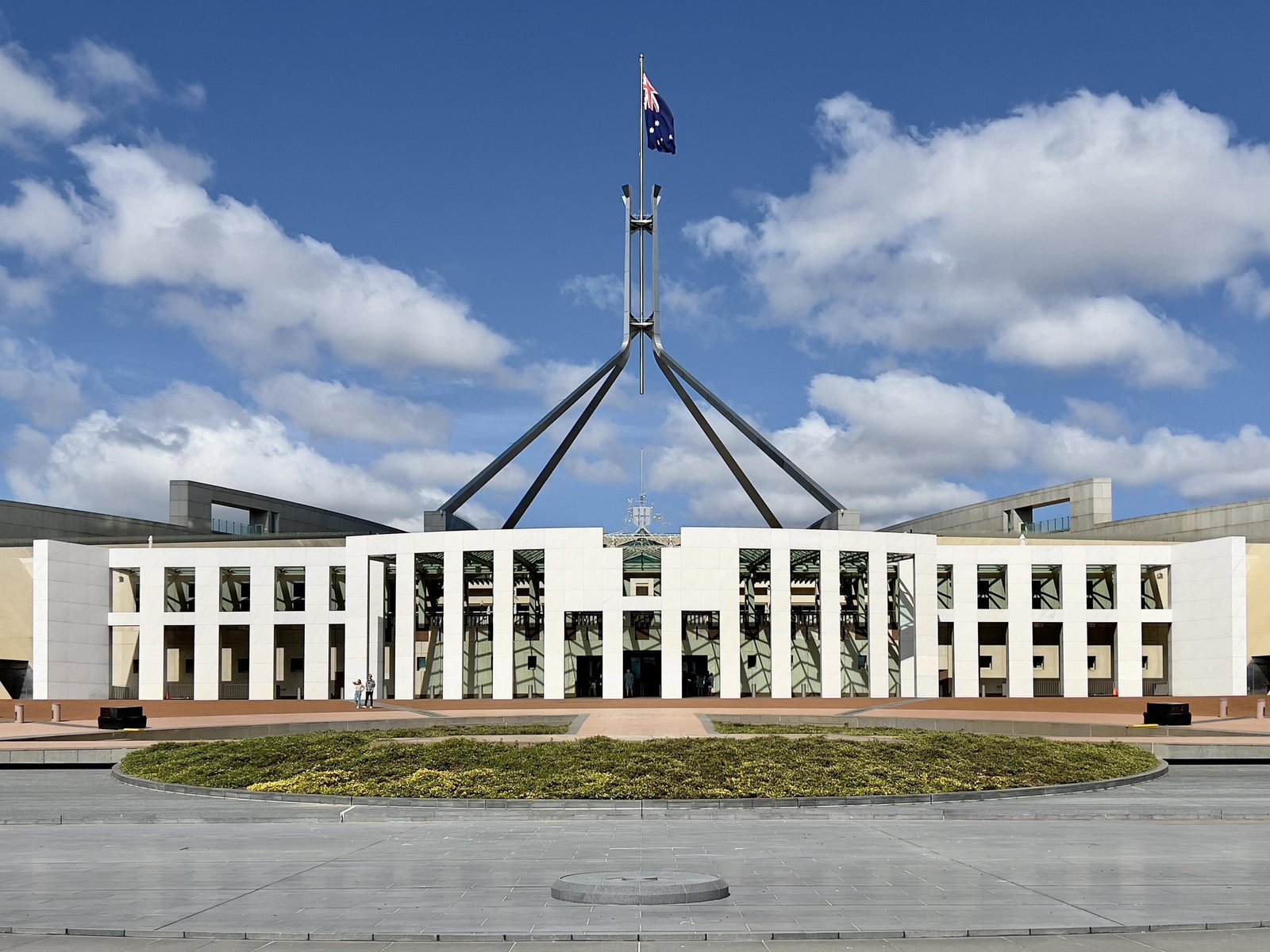
Australia has one of the world’s more restrictive regulatory approaches to nicotine products. From cigarettes and therapeutic vaping devices to nicotine pouches and nicotine replacement therapies, different product categories are governed by different legal requirements.
Changes introduced in recent years have significantly altered how nicotine-containing products can be imported, supplied, advertised and purchased.
In particular, Australia’s vaping reforms have restricted the lawful supply of vapes to pharmacies, while new rules introduced in July 2026 removed ordinary consumer access pathways for nicotine pouches.
For consumers, researchers and international businesses, understanding these distinctions is essential.
Are nicotine products legal in Australia, and which products are subject to restrictions in 2026?
This guide explains the main nicotine product categories, Australia’s regulatory framework, import controls and important developments affecting the market.
What Are Nicotine Products?
Nicotine products are products containing nicotine, a naturally occurring alkaloid primarily associated with tobacco plants.
Nicotine may be extracted from tobacco or manufactured synthetically.
Regardless of its origin, nicotine is an addictive chemical capable of producing significant health effects.
Products containing nicotine can vary considerably in their design, intended purpose, method of administration and legal classification.
Major categories include:
- Tobacco cigarettes and other combustible tobacco products.
- Therapeutic vaping products.
- Oral nicotine pouches.
- Nicotine replacement therapies, including patches and gum.
- Smokeless tobacco products.
- Other nicotine-containing therapeutic or tobacco-related products.
The legal treatment of these categories is not uniform.
A product permitted under one regulatory framework may be prohibited or tightly controlled under another.
Who Regulates Nicotine Products in Australia?
Several Australian government authorities have responsibilities involving nicotine products.
Therapeutic Goods Administration (TGA)
The Therapeutic Goods Administration regulates therapeutic goods, including relevant nicotine-containing medicines and therapeutic vaping products.
The TGA also oversees the regulatory framework applicable to nicotine pouches.
Its responsibilities include product standards, regulatory pathways, compliance and enforcement.
Australian Border Force (ABF)
The Australian Border Force enforces import restrictions at the national border.
Products imported without the required legal authority may be seized and destroyed.
Import requirements vary depending on whether the goods are tobacco products, nicotine pouches, vaping goods or registered therapeutic products.
Australian State and Territory Authorities
State and territory legislation can impose additional requirements relating to retail supply, possession, advertising, pharmacy practice and access by minors.
Businesses and individuals must consider both Commonwealth legislation and applicable local laws.
Types of Nicotine Products in Australia
Different nicotine product categories are subject to different regulatory arrangements.
| Product Category | General Regulatory Position in 2026 |
|---|---|
| Cigarettes and combustible tobacco | Legal within a strictly regulated tobacco market |
| Therapeutic nicotine vapes | Restricted to lawful therapeutic supply through pharmacies |
| Non-therapeutic and disposable vapes | Commercial importation and supply generally prohibited |
| Nicotine pouches | No ordinary lawful consumer purchase or import pathway |
| Registered nicotine gum and patches | Available through established therapeutic goods channels |
| Traditional oral tobacco products such as snus | Subject to significant supply restrictions |
The following sections examine these categories more closely.
Are Nicotine Vapes Legal in Australia in 2026?
Vaping products are not completely banned in Australia.
However, the country operates a restrictive therapeutic vaping framework.
The Therapeutic Goods and Other Legislation Amendment (Vaping Reforms) Act 2024 introduced a national regulatory structure governing vaping goods.
This framework commenced on 1 July 2024.
Under the reforms, the commercial supply of non-therapeutic vaping products was prohibited, while certain therapeutic vaping products remained available through controlled healthcare pathways.
Pharmacy-Only Supply
Therapeutic vaping products may be supplied through participating pharmacies when legal and clinical requirements are satisfied.
Ordinary convenience stores, tobacconists and specialist vape shops cannot lawfully sell vaping goods.
This restriction also applies to vaping goods that do not contain nicotine.
Prescription Requirements
Since 1 October 2024, Australian adults aged 18 and over have been able to access certain therapeutic nicotine vaping products with concentrations of 20 mg/mL or less without a prescription, subject to pharmacist assessment and relevant state or territory law.
A prescription is required for therapeutic vaping products with nicotine concentrations above 20 mg/mL.
A prescription is also required for people under 18 where therapeutic vaping products can lawfully be supplied under the relevant state or territory rules.
Additional restrictions apply, and not every pharmacy is required to stock therapeutic vapes.
Maximum Nicotine Concentration
Under the applicable therapeutic vaping framework, vaping products containing nicotine concentrations above 50 mg/mL are not permitted.
Product Standards
Australia has strengthened its standards for therapeutic vaping goods.
Requirements introduced from 1 July 2025 include tighter controls relating to ingredients, packaging, labelling and product design.
Permitted flavour descriptions are restricted, including tobacco, mint and menthol.
Therapeutic vaping goods must comply with the relevant standards and supply requirements.
Importantly, therapeutic vapes supplied through the unapproved therapeutic goods pathways have not necessarily been individually evaluated and approved by the TGA for safety and efficacy.
Are Disposable Vapes Banned in Australia?
Australia has prohibited the commercial importation, manufacture and supply of disposable single-use vapes under the vaping reform framework.
The restrictions apply regardless of whether the products contain nicotine.
This means the absence of nicotine does not automatically make a disposable vaping product legal for commercial retail sale.
The reforms are designed to restrict non-therapeutic vaping products and reduce unauthorised access.
Businesses considering the Australian vaping market should not assume that products legally sold elsewhere can be freely exported into Australia.
Are Nicotine Pouches Legal in Australia?
Nicotine pouches are small oral products that contain nicotine but generally do not contain tobacco leaf.
They are commonly positioned between the lip and gum.
These products have attracted regulatory attention in Australia because of their addictive potential, nicotine concentrations and concerns about product quality.
Major Regulatory Change: 24 July 2026
From 24 July 2026, Australia removed the ordinary legal pathways previously available to consumers for purchasing or importing nicotine pouches.
According to the TGA:
- Retailers, including online retailers, cannot lawfully sell nicotine pouches in Australia.
- Consumers can no longer personally import nicotine pouches, including with a medical prescription.
- Travellers cannot bring nicotine pouches into Australia under the former traveller exemption.
- Medical practitioners cannot prescribe unapproved nicotine pouches through the previous special access arrangements.
- Pharmacists cannot compound or supply these products through the previous unapproved goods pathways.
Are There Any Exceptions?
The law still provides limited pathways for specific circumstances.
These may include products included in the Australian Register of Therapeutic Goods (ARTG), approved clinical research arrangements or other statutory exemptions.
However, these exceptions do not create a general retail or consumer import market.
For international suppliers, the existence of a statutory exemption should not be interpreted as permission for ordinary wholesale or retail distribution.
What Happens to Unlawfully Imported Nicotine Pouches?
Nicotine pouches unlawfully imported into Australia may be seized and destroyed by the Australian Border Force.
Individuals and businesses should verify all applicable requirements before attempting to import nicotine-related products.
Are Nicotine Pouches the Same as Nicotine Gum?
No.
Although both products contain nicotine and may be used orally, they belong to different regulatory and product categories.
Nicotine gum is an established form of nicotine replacement therapy.
Approved nicotine replacement products are designed for specific therapeutic purposes, such as helping people stop smoking.
Nicotine pouches are a separate category and do not automatically qualify as approved smoking-cessation medicines.
The difference is particularly significant in Australia because registered nicotine replacement therapies remain accessible through lawful medicine supply channels.
Nicotine Replacement Therapy in Australia
Nicotine replacement therapy, commonly abbreviated as NRT, is an established treatment approach for managing nicotine withdrawal during smoking cessation.
NRT products provide nicotine without tobacco combustion.
Registered products available in Australia may include:
- Nicotine patches.
- Nicotine chewing gum.
- Nicotine lozenges.
- Nicotine mouth sprays.
- Nicotine inhalers.
These products are regulated as therapeutic goods.
Many registered NRT products are available without prescription through pharmacies and certain other retailers.
Some nicotine patches may be subsidised under the Pharmaceutical Benefits Scheme or Repatriation Pharmaceutical Benefits Scheme for eligible patients with prescriptions.
Why Are NRT Products Treated Differently?
Registered nicotine replacement medicines undergo the applicable therapeutic goods evaluation and regulatory processes.
Their intended use, specifications, labelling and supporting evidence differ from those of unapproved consumer nicotine products.
However, nicotine replacement medicines still require appropriate use and can cause adverse effects.
People seeking assistance with smoking cessation should consult a qualified healthcare professional or recognised cessation service.
Can You Import Nicotine Products into Australia?
Australia’s import rules depend on the exact type of nicotine product.
There is no single general import permission covering every nicotine-containing product.
Importing Nicotine Vapes
Commercial importation of therapeutic vaping goods is subject to strict requirements.
Relevant businesses may need to satisfy TGA standards, sponsor obligations and applicable import permissions.
Consumers cannot simply purchase vaping goods from overseas online retailers for personal importation, even if they have a prescription.
Importing Nicotine Pouches
From 24 July 2026, ordinary personal importation of nicotine pouches is prohibited.
Commercial importation is also restricted unless an applicable ARTG entry or statutory exemption permits the activity.
Importing Tobacco Products
Tobacco products are subject to customs, excise, taxation, packaging and other tobacco-control requirements.
The rules for tobacco should not be confused with those governing therapeutic vaping products or nicotine pouches.
Importing Registered Nicotine Medicines
Registered therapeutic goods operate within a different regulatory framework.
Importers and suppliers must comply with the relevant therapeutic goods requirements.
A product being sold as a medicine overseas does not automatically mean it is registered or authorised for supply in Australia.
What Do Australia’s Nicotine Regulations Mean for International Businesses?
Australia’s nicotine product market is highly regulated.
For manufacturers, exporters, importers and regulatory professionals, identifying the precise legal classification of a product is an essential first step.
Important considerations include the following.
Product Classification
Businesses should determine whether their product is classified as a therapeutic good, vaping good, tobacco product, nicotine pouch or another regulated category.
Different classifications can lead to different legal obligations.
Market Authorisation
The fact that a product is legally sold in another country does not establish that it can be supplied in Australia.
Businesses must assess the requirements applicable to the specific product and intended activity.
Advertising Restrictions
Australia imposes extensive restrictions on the promotion of vaping and other nicotine-related products.
Businesses should not assume that ordinary online advertising, social media promotion or product marketing practices are permitted.
Supply Chain Responsibilities
Importers, distributors, warehouses and other businesses involved in commercial supply may be subject to legal obligations.
These can relate to product handling, storage, transport, authorisation and documentation.
Regulatory Monitoring
Australia’s nicotine regulatory framework has changed substantially since 2024.
The July 2026 nicotine pouch restrictions demonstrate the importance of monitoring changes rather than relying on outdated product guidance.
Why Has Australia Introduced Strict Nicotine Regulations?
Australia’s regulatory approach reflects several public health objectives.
These include preventing nicotine addiction among young people, reducing access to unregulated products and supporting evidence-based smoking cessation.
Authorities have also expressed concerns about inaccurate nicotine labelling, chemical contaminants and unsafe products.
The regulatory treatment of nicotine pouches is particularly influenced by concerns about high nicotine content, product quality and accidental exposure.
Therapeutic vaping rules, meanwhile, are designed to restrict non-therapeutic retail distribution while retaining limited healthcare-supervised access.
The effectiveness of these policies is a separate research question involving public health outcomes, enforcement and market behaviour.
Frequently Asked Questions About Nicotine Products in Australia
1. Are nicotine products legal in Australia?
Some nicotine products are legal under specific regulatory conditions. Cigarettes remain available within the regulated tobacco market, registered nicotine replacement medicines are legally supplied, and certain therapeutic vaping products can be provided through pharmacies. Nicotine pouches face much stricter restrictions.
2. Can you buy nicotine vapes in Australia without a prescription?
Adults aged 18 and over may access certain therapeutic nicotine vapes containing 20 mg/mL or less through participating pharmacies without a prescription, subject to pharmacist assessment and applicable state or territory rules.
3. Are nicotine pouches legal in Australia in 2026?
From 24 July 2026, consumers no longer have an ordinary lawful pathway to purchase or personally import nicotine pouches. Limited statutory exemptions and ARTG-related pathways remain possible, but they do not permit unrestricted retail sales.
4. Can you order nicotine pouches online from overseas?
No. Ordinary personal importation of nicotine pouches is prohibited, including purchases made through overseas websites.
5. Can travellers bring nicotine pouches into Australia?
No. The former traveller exemption no longer applies to nicotine pouches.
6. Are disposable vapes legal in Australia?
Commercial importation and supply of disposable single-use vapes are prohibited under Australia’s vaping reforms. The restrictions apply to products regardless of nicotine content.
7. Is nicotine gum legal in Australia?
Yes. Registered nicotine gum is an established form of nicotine replacement therapy and is available through lawful medicine supply channels.
8. Can international manufacturers sell nicotine vapes directly to Australian consumers?
No. The lawful commercial supply system for therapeutic vaping goods is restricted to authorised pathways involving pharmacies and relevant regulatory requirements.
9. Are synthetic nicotine products exempt from Australian regulation?
No. The source of nicotine does not automatically exempt a product from applicable Australian therapeutic goods or tobacco-related legislation.
10. Which government websites explain Australia’s nicotine laws?
The Therapeutic Goods Administration and Australian Border Force provide authoritative information on therapeutic goods, vaping restrictions, nicotine pouches and border controls.
Conclusion
Australia’s regulatory framework for nicotine products has undergone major changes since 2024.
By October 2026, vaping products are subject to a pharmacy-based therapeutic supply framework, while nicotine pouches can no longer be purchased or personally imported through ordinary consumer pathways.
Registered nicotine replacement therapies remain available, and combustible tobacco continues to be regulated separately.
For consumers, researchers and international businesses, understanding these distinctions is essential.
The key principle is that nicotine products are not regulated as a single interchangeable category.
Each product must be assessed according to its composition, intended use, legal classification and applicable Commonwealth, state and territory requirements.
As Australia’s regulatory environment continues to evolve, accurate information from official government sources remains the most reliable basis for research, compliance and informed decision-making.
Further Reading
Explore related educational articles on Australian vaping laws, nicotine pouch restrictions, nicotine replacement therapy, therapeutic vaping standards and international nicotine product regulations.
Disclaimer: This article is provided for general educational and industry research purposes only. It does not constitute legal or medical advice. Nicotine is addictive and can cause serious health effects. Regulatory requirements should be verified with the relevant Australian authorities before any commercial activity.