
Last updated: 19 October 2026
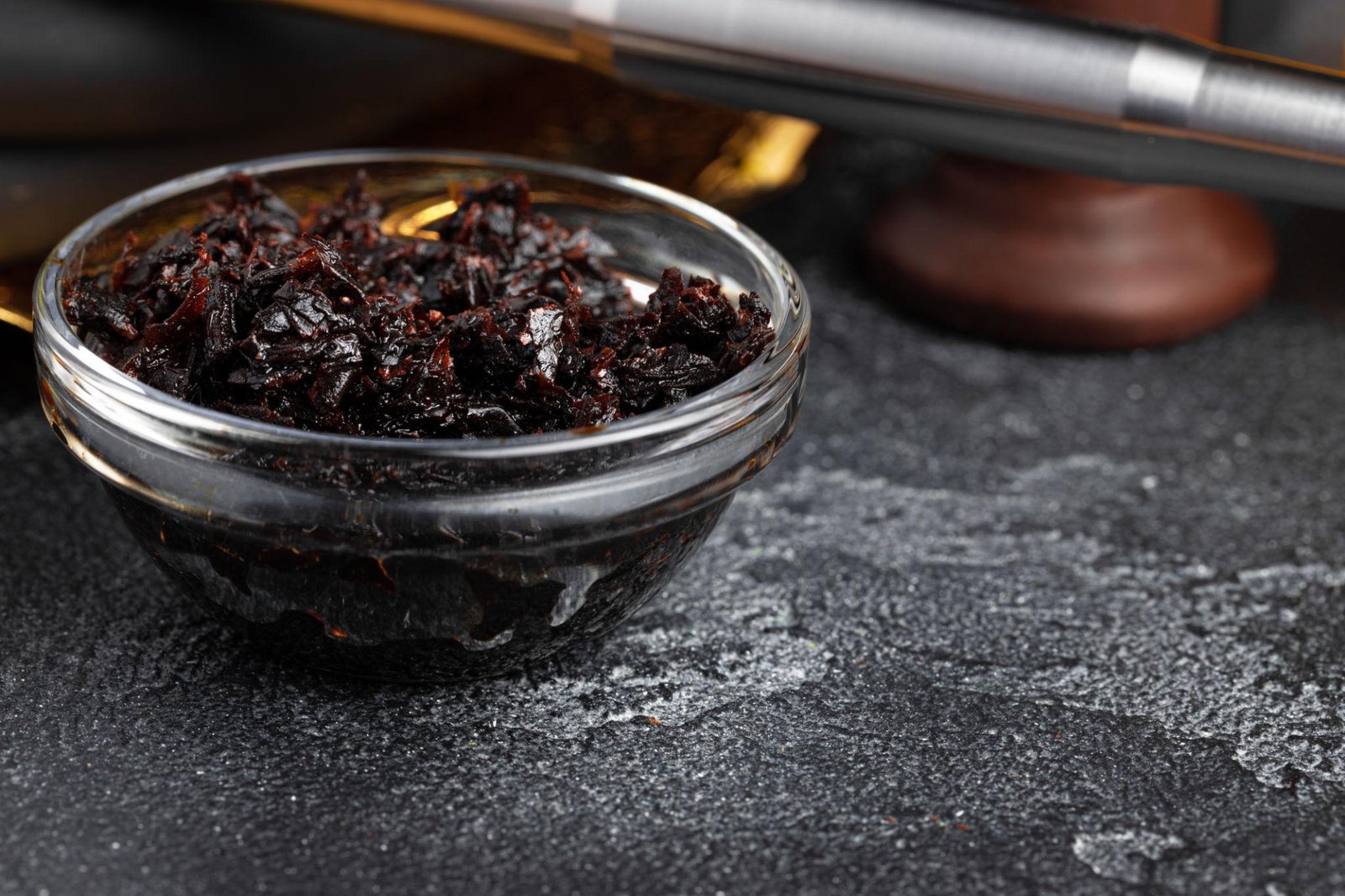
Shisha tobacco is a type of smoking tobacco associated with waterpipes, commonly known as hookahs. Its origins are connected to longstanding social traditions across the Middle East, North Africa and parts of Asia.
Unlike the relatively dry tobacco found in conventional cigarettes, many modern shisha tobacco products have a moist consistency created by combining processed tobacco with other ingredients.
Shisha tobacco is also known as hookah tobacco, waterpipe tobacco, molasses tobacco or maassel.
But what exactly is shisha tobacco, what is it made from, and how does it differ from other tobacco products?
This guide explores its ingredients, major product categories, cultural background, manufacturing principles and important health considerations.
What Is Shisha Tobacco?
Shisha tobacco is a tobacco-containing preparation intended to be heated in a waterpipe.
According to the U.S. Food and Drug Administration (FDA), hookah tobacco typically contains tobacco combined with sweeteners and flavouring ingredients.
Modern commercial products often have a moist, sticky texture and may be sold in different flavour categories.
The tobacco-containing material is placed in a waterpipe bowl and heated, commonly using charcoal.
The resulting smoke passes through the waterpipe system before being inhaled.
Importantly, passing smoke through water does not remove its dangerous chemical components.
Shisha tobacco contains nicotine and can cause addiction. Waterpipe smoking also exposes users to other harmful substances, including carbon monoxide and carcinogenic compounds.
Understanding Shisha, Hookah and Maassel
Several words are commonly associated with waterpipe tobacco.
Although they are sometimes used interchangeably, their meanings vary according to language and region.
Shisha
The term shisha can refer to either the waterpipe itself or the tobacco preparation used with it.
In some regions, the word primarily refers to the device, while in others it describes the smoking mixture.
Hookah
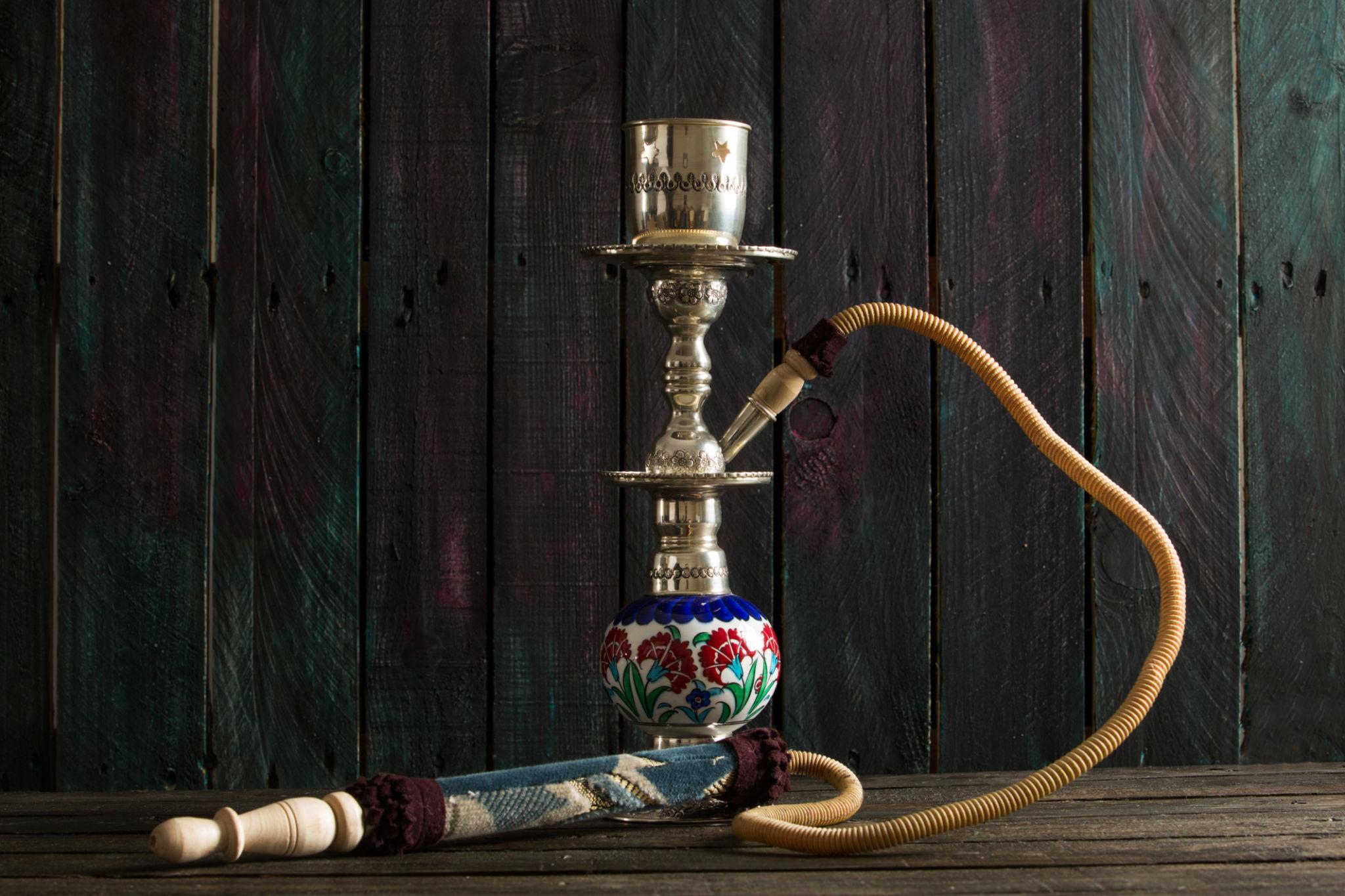
Hookah commonly refers to the waterpipe apparatus.
The word is widely used in English-language discussions of waterpipe smoking.
Maassel or Mu’assel
Maassel refers to a moist tobacco preparation commonly associated with sweeteners, humectants and flavouring ingredients.
It is particularly associated with contemporary commercial shisha tobacco.
Nargile and Argileh
These terms are used in different parts of the Middle East and surrounding regions to describe the waterpipe.
Understanding these terms helps explain why the same product category may appear under different names in international research and trade documents.
What Is Shisha Tobacco Made Of?
The exact composition varies by manufacturer and product, but several ingredient categories commonly appear in modern shisha tobacco.
1. Tobacco Leaf
Tobacco is the primary nicotine-containing ingredient.
It is generally sourced from plants belonging to the Nicotiana genus.
Different tobacco varieties and processing methods can result in different chemical characteristics.
Naturally occurring nicotine contributes to the addictive properties of tobacco-containing shisha.
Other chemical constituents of tobacco may also contribute to the composition of the resulting emissions.
2. Molasses and Other Sweeteners
Some shisha formulations contain molasses, sugar-based syrups or other sweetening ingredients.
These substances contribute to the characteristics of the moist tobacco mixture.
Historically, sweetened tobacco preparations helped distinguish maassel from drier forms of tobacco used in waterpipes.
However, the presence of sweeteners is not evidence that tobacco smoke is safe.
Heating sugar-containing substances can contribute to the formation of harmful chemical emissions.
3. Glycerol and Humectants
Glycerol, also known as glycerine, is a common humectant.
Humectants are substances used to retain moisture.
In waterpipe tobacco, these ingredients contribute to the physical and chemical properties of the mixture.
A scientific review published in 2024 examined the role of humectants, sweeteners, flavourings and charcoal in waterpipe tobacco toxicity.
It highlighted that these components can influence the chemical composition of smoke and the potential for harmful exposures.
4. Flavouring Ingredients
Many commercial shisha tobacco products contain added flavourings.
Common flavour descriptions include fruit, mint, spice and other sensory categories.
However, flavour descriptions do not reveal the full chemical composition of a product.
A substance considered acceptable in food does not automatically have the same safety profile when heated and inhaled.
5. Water and Moisture
Moisture contributes to the physical characteristics of many shisha tobacco preparations.
Products differ in water content depending on their formulation and manufacturing process.
For scientific and regulatory purposes, moisture content may be relevant to product characterisation and analytical testing.
Types of Shisha Tobacco
Shisha tobacco is not a single uniform product.
Different raw materials and manufacturing approaches create different product categories.
Two commonly discussed commercial categories are blonde-leaf and dark-leaf shisha.
Blonde-Leaf Shisha Tobacco
Blonde-leaf shisha is frequently associated with Virginia-type tobacco.
Products in this category often use lighter-coloured processed tobacco.
The term blonde leaf is a commercial description rather than a universal scientific classification.
Nicotine concentration and other chemical characteristics vary by product.
It would therefore be misleading to assume that every blonde-leaf product contains the same amount of nicotine.
Dark-Leaf Shisha Tobacco
Dark-leaf shisha generally refers to products made using darker processed tobacco materials.
Some products in this category use different tobacco types or curing methods compared with blonde-leaf products.
Dark-leaf products are sometimes marketed as having stronger tobacco characteristics.
However, colour alone is not a reliable measure of nicotine concentration, impurity levels or health risk.
Blonde Leaf vs. Dark Leaf
| Characteristic | Blonde Leaf | Dark Leaf |
|---|---|---|
| Typical commercial description | Lighter processed tobacco | Darker processed tobacco |
| Commonly associated materials | Virginia-type tobacco | Varies by manufacturer |
| Appearance | Often golden or light brown | Often dark brown |
| Nicotine concentration | Product-dependent | Product-dependent |
| Regulatory classification | Tobacco product | Tobacco product |
| Health risks | Significant | Significant |
Neither category should be considered inherently safer than the other.
Reliable comparisons require product-specific chemical analysis rather than appearance or marketing descriptions.
How Is Shisha Tobacco Manufactured?
The manufacturing of modern shisha tobacco combines tobacco processing, ingredient preparation, industrial quality management and packaging.
Production methods differ across manufacturers.
At a general level, the process can be divided into several conceptual stages.
Raw Tobacco Selection
Manufacturers evaluate tobacco materials based on factors such as identity, consistency and relevant chemical characteristics.
The type of tobacco can influence the composition of the finished product.
Tobacco Processing
Raw tobacco undergoes processing appropriate to the intended product.
This may influence physical characteristics, moisture and chemical composition.
Ingredient Integration
Commercial shisha tobacco may contain sweeteners, humectants and flavouring substances in addition to tobacco.
The composition of the finished mixture depends on the product’s formulation.
Packaging
Manufacturers package the finished material in containers intended to protect it during storage and distribution.
Packaging requirements vary considerably between countries.
In many markets, tobacco packaging is subject to health warning, labelling and advertising restrictions.
Quality Control
Industrial product characterisation may involve analytical testing of:
- Nicotine content.
- Moisture characteristics.
- Selected chemical impurities.
- Raw-material consistency.
- Packaging integrity.
- Batch identification and traceability.
Quality testing provides information about product composition but does not establish that smoking the product is safe.
The History of Shisha and Hookah Culture
Waterpipe smoking has a long history across parts of Asia, the Middle East and North Africa.
Its development is linked to centuries of social and cultural exchange.
Historical accounts differ regarding the precise geographic origin of the waterpipe, with traditions associated with South Asia and the Persian cultural sphere.
Over time, waterpipe smoking became established in multiple communities.
Traditional Social Settings
Historically, waterpipes have been associated with gatherings in homes, cafés and other social environments.
Their role has differed between countries, communities and historical periods.
The Emergence of Modern Maassel
Modern sweetened and flavoured shisha tobacco became particularly prominent during the late twentieth century.
Its development contributed to the spread of contemporary waterpipe products beyond their traditional geographic centres.
Shisha in Contemporary Research
Today, waterpipe smoking is studied internationally in the fields of tobacco control, toxicology, public health and cultural history.
The World Health Organization has published extensive research addressing its health effects and regulatory implications.
Cultural significance should not be confused with evidence of product safety.
Shisha Tobacco vs. Herbal Shisha
Herbal shisha is generally described as a waterpipe mixture that does not contain tobacco leaf.
Its ingredients vary and may include non-tobacco plant materials and other substances.
The distinction is important because tobacco-containing shisha naturally contains nicotine, while genuinely tobacco- and nicotine-free herbal mixtures may not.
However, this does not mean herbal shisha is harmless.
| Feature | Shisha Tobacco | Herbal Shisha |
|---|---|---|
| Tobacco leaf | Present | Generally absent |
| Nicotine | Naturally present | Depends on formulation |
| Waterpipe use | Common | Common |
| Charcoal exposure | Often present | Often present |
| Harmful smoke emissions | Present | Can also be present |
| Health risk | Significant | Not risk-free |
The World Health Organization warns that tobacco-free waterpipe products can still expose users to dangerous substances produced by charcoal and heating.
Is Shisha Tobacco the Same as Cigarette Tobacco?
Both products contain tobacco, but their preparation and use differ.
Cigarettes typically contain processed tobacco designed to burn within a paper wrapper.
Modern shisha tobacco often contains a moist preparation of tobacco, humectants and other ingredients.
Waterpipe tobacco is generally heated using a separate heat source, commonly charcoal.
The resulting exposure pattern differs from cigarette smoking.
However, both types of tobacco use involve harmful chemicals and nicotine addiction.
The fact that waterpipe smoke passes through water does not mean it is purified or safe.
Does Shisha Tobacco Contain Nicotine?
Yes.
Tobacco-containing shisha naturally contains nicotine.
Nicotine is a pharmacologically active chemical that can lead to dependence.
The amount of nicotine in an individual product depends on its composition.
Actual nicotine exposure during waterpipe smoking also depends on the characteristics of the product and the way it is used.
A product’s appearance, flavour or marketing description does not reliably establish its nicotine concentration.
The same is true of claims that one tobacco category is inherently mild or strong.
Scientific analysis is necessary to measure nicotine content accurately.
What Are the Health Risks of Shisha Smoking?
Waterpipe tobacco smoking poses serious health risks.
According to the CDC and WHO, shisha smoke contains numerous toxic chemicals, including carbon monoxide, heavy metals and substances associated with cancer.
Nicotine Addiction
Nicotine exposure can cause dependence and withdrawal symptoms.
Carbon Monoxide Exposure
Charcoal combustion can produce substantial amounts of carbon monoxide.
Carbon monoxide poisoning can be serious and may require urgent medical attention.
Respiratory Disease
Repeated exposure to waterpipe smoke can harm the respiratory system.
Cardiovascular Effects
Toxic chemicals in smoke can affect the heart and blood vessels.
Cancer-Related Risks
Waterpipe smoke contains carcinogenic compounds associated with tobacco-related disease.
Second-Hand Smoke
People sharing the surrounding environment may be exposed to smoke from tobacco and the heating source.
These risks remain important regardless of the cultural setting in which waterpipe smoking occurs.
Why Doesn’t Water Make Hookah Smoke Safe?
One of the most common misconceptions is that smoke becomes safe after passing through water.
Water may change some physical characteristics of the smoke, but it does not remove the major toxic substances.
CDC guidance specifically warns that hookah smoke retains high levels of harmful agents even after passing through water.
Charcoal can also generate additional carbon monoxide and other toxic emissions.
Therefore, waterpipe smoking should not be considered a safe alternative to cigarette smoking.
International Regulations for Shisha Tobacco
Shisha tobacco is regulated differently across countries.
Some jurisdictions classify it within general tobacco legislation.
Others apply additional provisions for waterpipe tobacco, including particular packaging, import or taxation requirements.
Regulatory considerations may include:
- Import permits.
- Excise or customs duties.
- Health warnings.
- Standardised packaging.
- Advertising restrictions.
- Age-of-sale rules.
- Public smoking restrictions.
- Product-specific reporting requirements.
Importers and businesses must assess the requirements of their destination market.
A tobacco product legally manufactured in one country is not automatically authorised for sale in another.
Understanding Shisha Tobacco Quality and Documentation
From an industrial and regulatory perspective, product documentation supports material identification and traceability.
Relevant records may include:
Product Specifications
Documents describing the material and its relevant physical or chemical characteristics.
Analytical Test Results
Results from appropriate laboratory methods used to characterise the product.
Batch Traceability
Records connecting finished products to production lots and relevant quality information.
Ingredient Information
Documentation identifying relevant ingredient categories and applicable disclosure requirements.
Regulatory Records
Evidence of compliance with the requirements applicable to the particular market.
Such records support quality evaluation but do not eliminate the inherent hazards of smoking tobacco.
Frequently Asked Questions
1. What is shisha tobacco?
Shisha tobacco is a tobacco-containing preparation intended for smoking through a waterpipe or hookah. Many modern products contain tobacco, sweeteners, humectants and flavourings.
2. Is shisha tobacco the same as hookah tobacco?
Yes. The terms shisha tobacco, hookah tobacco and waterpipe tobacco are commonly used to describe the same general product category.
3. What is maassel tobacco?
Maassel is a moist, often sweetened form of tobacco commonly associated with modern waterpipe products.
4. Does shisha tobacco contain nicotine?
Yes. Tobacco-containing shisha naturally contains addictive nicotine.
5. What is the difference between blonde-leaf and dark-leaf shisha?
These are commercial categories describing different processed tobacco materials. Their actual nicotine concentrations and chemical characteristics vary by product.
6. Is herbal shisha nicotine-free?
Some herbal shisha products contain no tobacco or nicotine, but formulations vary. Tobacco-free products can still generate harmful emissions when heated.
7. Is shisha safer than cigarettes?
No. Waterpipe smoking exposes users to nicotine, carbon monoxide, carcinogens and other toxic substances. Water does not make the smoke safe.
8. What ingredients are commonly found in shisha tobacco?
Common ingredients include processed tobacco leaf, sweetening substances, humectants such as glycerol, flavourings and moisture.
9. Is shisha tobacco legal internationally?
Regulations vary by country. Import, sale, taxation, packaging and smoking restrictions must be evaluated for each market.
10. What is the difference between shisha and a hookah?
Hookah usually refers to the waterpipe apparatus, while shisha may refer to the apparatus or the tobacco mixture depending on the region.
Conclusion
Shisha tobacco is a distinctive category of smoking tobacco associated with the long history of waterpipe use.
Modern products commonly combine processed tobacco with sweeteners, humectants and flavouring ingredients, creating the moist material known in many regions as maassel.
Different leaf types, processing methods and formulations contribute to variation between commercial products.
However, product composition should not be confused with product safety.
Shisha tobacco contains addictive nicotine, and waterpipe smoke can expose users and bystanders to carbon monoxide, carcinogens and other dangerous substances.
For researchers, regulators and industry professionals, understanding the ingredients, product categories, cultural background and regulatory requirements of shisha tobacco provides a foundation for more informed scientific and commercial analysis.
Further Reading
Explore related educational guides on shisha tobacco ingredients, manufacturing quality control, the differences between blonde-leaf and dark-leaf tobacco, waterpipe smoke chemistry and international tobacco regulations.
Disclaimer: This article is intended for educational and industry research purposes only. It does not promote tobacco consumption or provide medical advice. Smoking tobacco causes serious health risks.